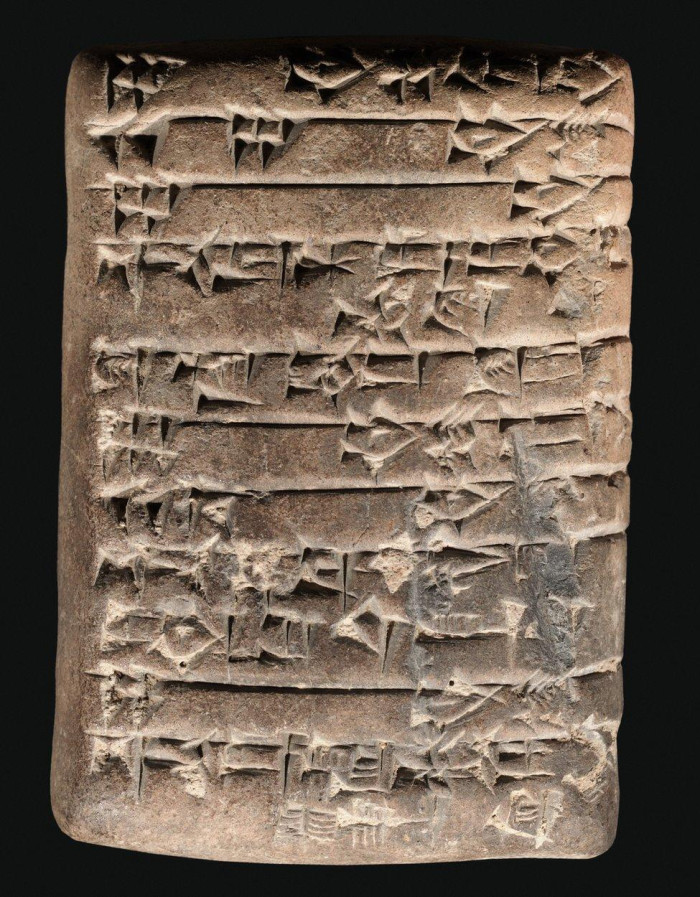





If you’ve ever stood in a CVS checkout line watching a receipt print for what feels like an eternity, or tried to find last year’s warranty receipt only to discover it’s faded into a mysterious blank slip of thermal paper, you’re experiencing the culmination of 145 years of receipt chaos. The humble store receipt has one of the most entertaining—and frustrating—histories in business documentation.
The “Incorruptible Cashier” That Started It All
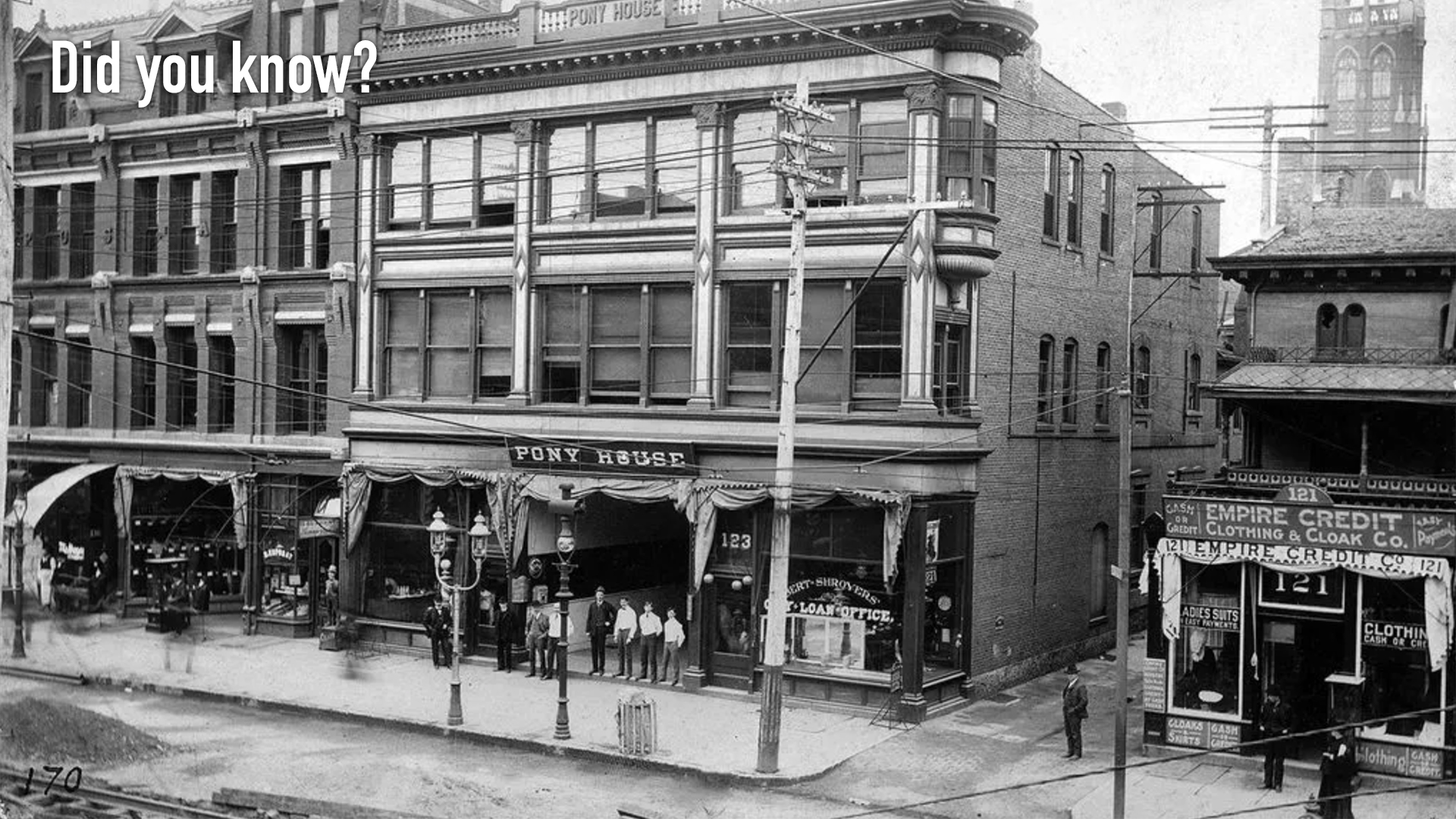
In 1879, James Ritty, a Dayton, Ohio saloon owner (pictured above Pony House Tavern), was losing sleep over his employees’ sticky fingers. After a steamboat trip where he observed a device counting propeller revolutions, inspiration struck. He invented the first mechanical cash register—dubbed the “Incorruptible Cashier”—which printed tiny receipt slips just a few inches long with hand-stamped transaction numbers.
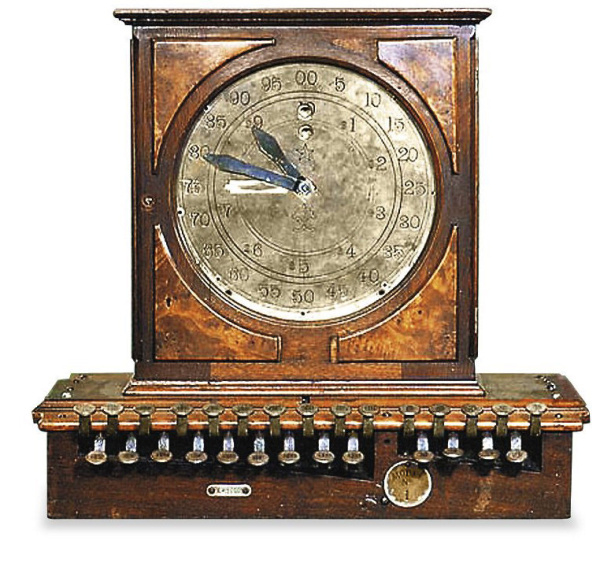
Ritty’s brilliant anti-theft device was elegant in its simplicity: a small paper trail proving money changed hands. These original receipts were minimalist masterpieces—just the essentials, no fuss, no waste.
Fast forward 145 years, and we’ve somehow transformed this simple concept into an environmental nightmare and a running joke.
The Great Thermal Paper Disaster of the 1970s
When thermal receipt printers hit the market in the 1970s, retailers celebrated. No more messy ink ribbons! No more jammed printers! Just clean, crisp receipts produced by heating special paper. Revolutionary!
Except for one tiny problem nobody anticipated: thermal receipts fade to completely blank paper within weeks when exposed to heat or sunlight.
Cue the chaos:
Customer: “Here’s my receipt for this return.”
Cashier: “Ma’am, this is a blank piece of paper.”
Customer: “It had writing on it last month!”
Cashier: “…”
Warranty claims became nightmares. Accountants opened filing cabinets to find boxes of mysteriously blank “permanent records.” The IRS showed up for audits and businesses sheepishly handed over what looked like blank printer paper.
To this day, thermal receipts are still the standard—and they still fade. That important receipt you carefully saved? It’s probably blank by now.
CVS Takes Revenge: The Receipt That Never Ends
If the 1970s gave us receipts that disappeared, the 2000s gave us receipts that never end.
CVS has become internet-famous (infamous?) for printing receipts so absurdly long they’ve become memes. The average CVS receipt for a single item stretches 11-12 inches. Buy a pack of gum? Receive enough paper to wrap a gift. The longest recorded CVS receipt clocked in at over 7 feet long for a routine purchase.
What could possibly require 7 feet of paper? Apparently:
- Your actual purchase details (2 inches)
- 40 coupons you’ll never use (24 inches)
- ExtraCare rewards updates (18 inches)
- Survey requests (8 inches)
- Pharmacy discount cards (6 inches)
- More coupons for items you don’t need (20 inches)
- Return policy in microscopic font (4 inches)
- A philosophical treatise on savings (whatever’s left)
Twitter accounts, Reddit threads, and TikTok videos are dedicated to mocking CVS receipt length. People pose next to them like trophy fish. One person claimed to use their CVS receipt as a curtain.
The historical irony? We went from tiny, elegant 2-inch receipts in 1879 to tree-killing paper scrolls that could double as CVS’s corporate manifesto.
The Digital Receipt Revolution… That Created New Problems
“Email receipts will save us!” the tech optimists proclaimed in the early 2000s. “No more paper waste! Just digital records!”
Fast forward to 2025, and now we have:
- Email inboxes with 10,000+ unread receipt emails
- Subscription services you forgot about because the receipts go to spam
- Expense report software that still requires you to photograph paper receipts
- Companies asking “Would you like your receipt emailed AND printed?” (defeating the entire purpose)
- Receipt emails that are somehow longer than CVS paper receipts because they include full HTML newsletters
We’ve gone full circle: digital receipts were supposed to eliminate paper chaos, but now we have both paper AND digital chaos.
The Real Problem: Receipts Were Never Meant for Human Consumption
Here’s the uncomfortable truth: receipts have become so problematic because they’re trying to serve too many masters:
- Proof of purchase for customers
- Accounting records for businesses
- Tax documentation for the IRS
- Warranty tracking for manufacturers
- Marketing channel for retailers (hello, 40 coupons)
- Data collection for loyalty programs
- Legal compliance for return policies
What started as a simple “you paid, here’s proof” has morphed into a Frankenstein document trying to be everything to everyone—and failing at all of it.
Businesses need receipt data for bookkeeping. Consumers need proof for returns. Accountants need records for tax season. But nobody wants to manually sort through piles (or inboxes) of receipts.
Enter AI: Turning Receipt Chaos Into Structured Data
This is where modern technology finally—finally—solves the 145-year-old receipt problem.
Veryfi’s Receipt OCR API uses artificial intelligence to instantly extract structured data from any receipt—whether it’s:
- A faded thermal paper receipt from 6 months ago
- A crumpled CVS scroll longer than your arm
- A photo of a receipt taken in poor lighting
- An email receipt buried in your inbox
- A handwritten receipt from a mom-and-pop shop
The API automatically extracts and structures:
- Merchant name and address
- Date and time of purchase
- Line item details (every product purchased)
- Subtotals, taxes, tips, and totals
- Payment method
- Receipt numbers for tracking
The result? Businesses can finally do what they’ve needed to do since 1879: turn receipts into actionable data without manual entry.
Real-World Applications That Would Make James Ritty Proud
Modern businesses use receipt OCR AI for things Ritty couldn’t have imagined:
- Expense Management: Employees snap a photo of a business meal receipt, and the data automatically populates their expense report. No more manual entry, no more lost receipts, no more end-of-month scrambles.
- Accounting Automation: Small businesses connect their receipt scanner to their accounting software. Every transaction is automatically categorized and recorded. Tax season becomes dramatically less painful.
- Warranty Tracking: Retailers can store digital copies of receipts with extracted data, so when customers return products three months later with a mysteriously blank thermal receipt, the store has a backup record.
- Consumer Apps: Personal finance apps use receipt OCR to automatically track spending, categorize purchases, and identify savings opportunities—all without users manually entering anything.
- Fraud Detection: Banks and financial institutions can verify transaction details by comparing credit card statements with actual receipt data, catching discrepancies that might indicate fraud.
From Incorruptible Cashier to Intelligent Assistant
James Ritty invented the cash register to stop employee theft through a simple paper trail. His “Incorruptible Cashier” was mechanical, ingenious, and honest.
145 years later, we’ve added:
- Thermal paper that mysteriously erases itself
- Receipts so long they require a pack mule to carry
- Digital receipts that multiply like gremlins in your inbox
- Marketing disguised as transaction records
But we’ve also added something Ritty would appreciate: artificial intelligence that finally makes receipts useful again.
Instead of shoving receipts into drawers, folders, or the digital void of your email, modern receipt OCR technology turns every purchase into structured, searchable, actionable data. The chaos of receipt management—whether it’s blank thermal paper, CVS novels, or overflowing email folders—is finally solvable.
Ritty wanted to create an incorruptible system that tracked every transaction honestly. Modern AI receipt processing completes his vision: every purchase, automatically recorded, verified, and organized, with zero human error and maximum efficiency.
The receipt has come full circle—from a simple proof of purchase to a bloated marketing vehicle, and finally to a data point in an intelligent system that actually serves its original purpose.
The best part? You never have to look at a 7-foot CVS receipt again. Just photograph it, let AI extract the data, and throw the paper away.
James Ritty would approve.
Receipts OCR API

Capture receipts with line item details for 91+ currencies and 38+ languages. Extract merchant information, itemized purchases, taxes, tips, and payment methods to automate expense management and financial tracking.