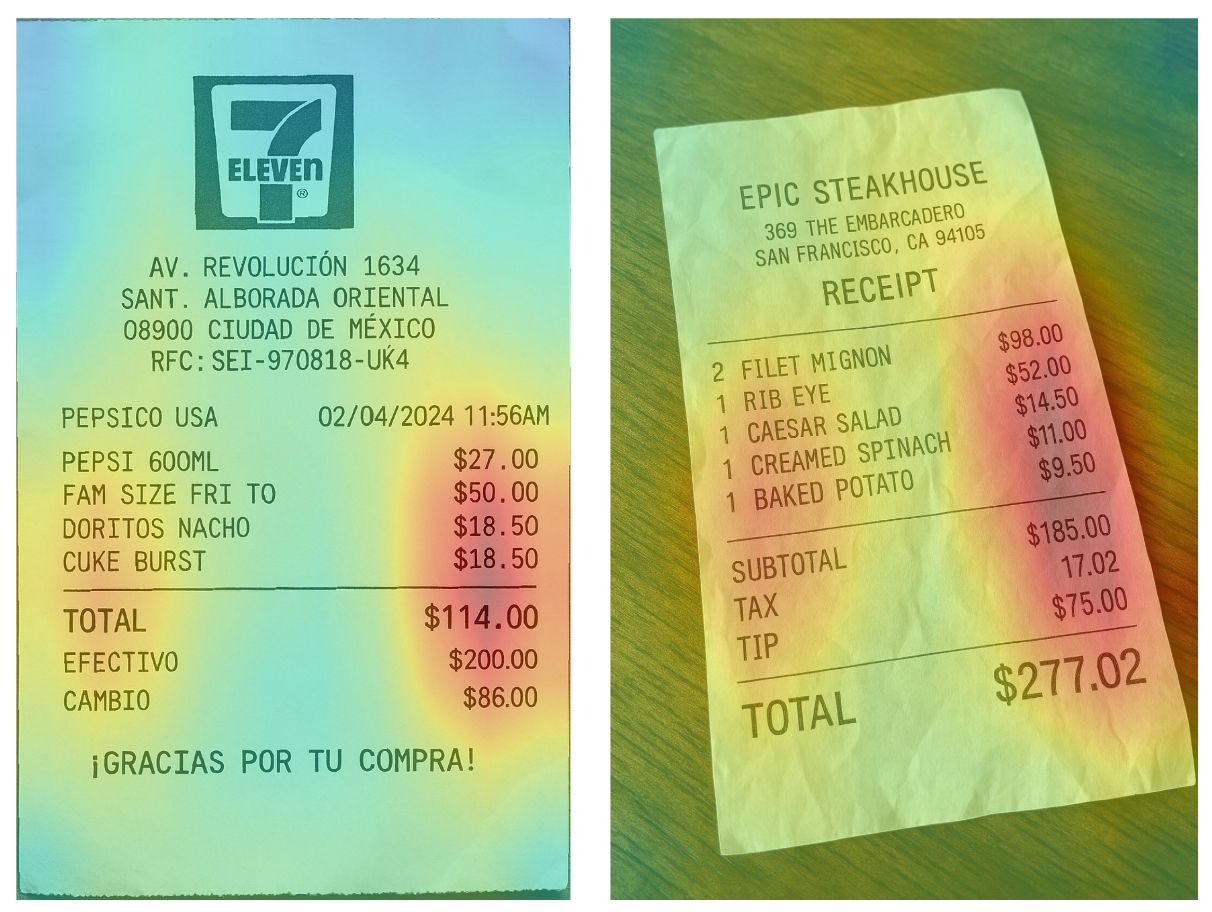
Veryfi tells you whether a document looks real, whether the numbers add up, and whether the same file (or device) has shown up before — in one color, score, and list of reasons.
Get Started for Free Free DemoFraud detection identifies and blocks fraudulent documents in real-time by analyzing patterns, anomalies, and authenticity signals across every submission. AI-powered systems — combining vision, data, and device models — catch manipulated receipts, synthetic invoices, and duplicate documents before they enter your workflow or cause financial damage.
Prevention (upstream) vs Detection (downstream)
Prevention beats detection every time. While detection catches fraud as it happens, prevention stops it before it starts—eliminating threats at the source and minimizing exposure to financial loss and reputational damage across your organization. Fraudsters evolve constantly, inventing new schemes to steal money, compromise data, or exploit system vulnerabilities. Static fraud prevention systems become obsolete quickly, leaving organizations vulnerable to emerging attack vectors. Effective prevention requires adaptive technology that learns from new fraud patterns and updates defenses automatically without requiring manual intervention. Veryfi’s Enterprise Fraud Detection & Prevention Suite delivers exactly that—layered protection through integrated vision, data, and device models, plus automatic access to every new fraud signal we develop as threats emerge.
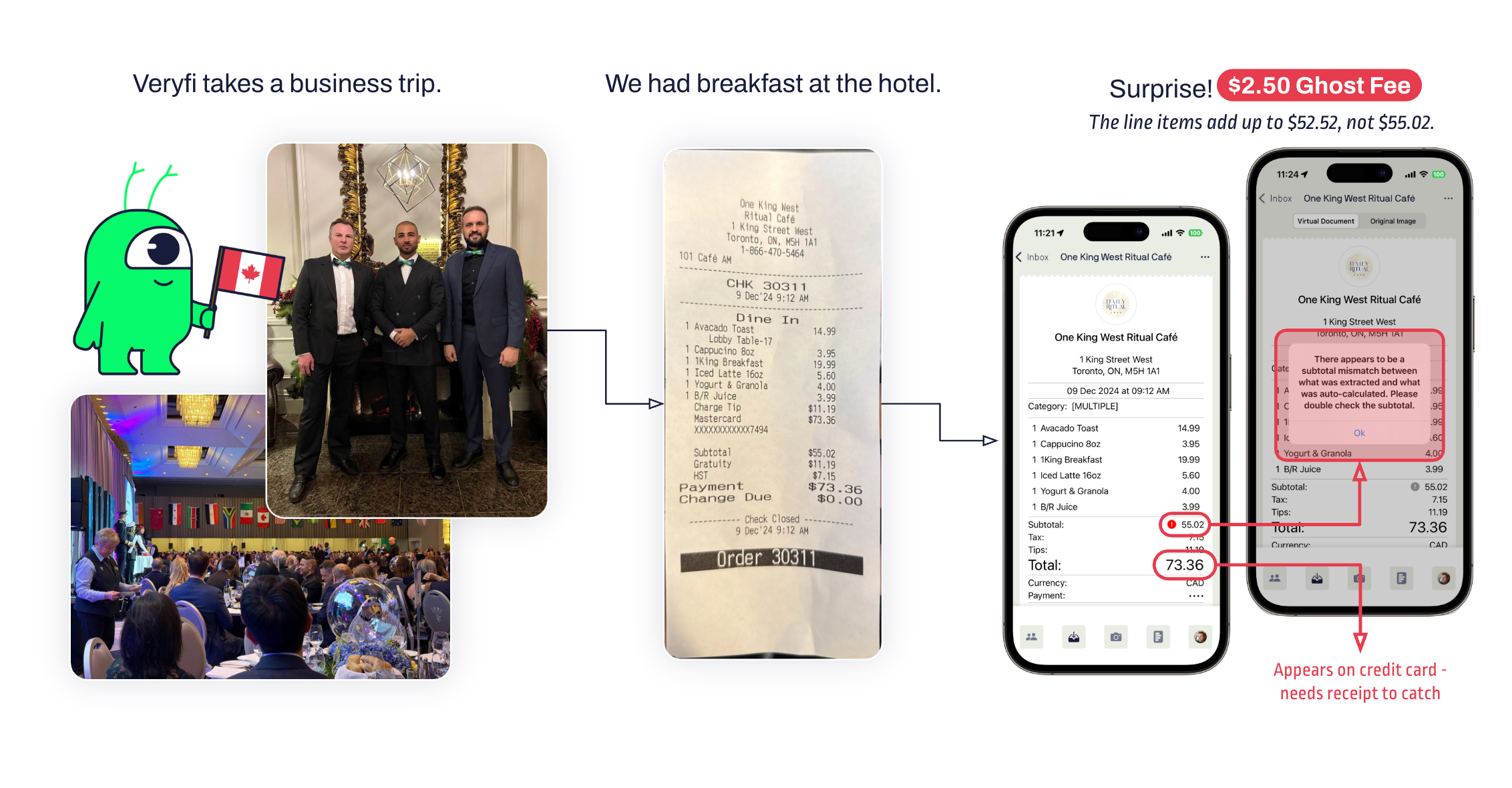
Fraud can happen to anyone—no one is immune. Technology makes detecting it simpler, faster, and more accurate. When Veryfi’s executive team traveled to Canada, we used our own platform to track all expenses. That’s when we discovered it: fraudulent charges from a restaurant inside our hotel, One King West.
Every submission to Veryfi's API runs through Veryfi's fraud engine covering vision, data, device, and math signals. If you are already using Veryfi for IDP then reach out to your account manager to activate fraud detection. When activated, the results of the detection are appended to the same API response you already use. It's that easy and requires no integration; just use the data in your workflow.
meta.fraud.types and the attribution sentence — nothing is checked that isn't explained.meta.fraud.color
→
Traffic-light. If not green, route to review.
meta.fraud.score
→
0–1 confidence, paired with your risk profile 0.00
meta.fraud.types + attribution
→
The reasons that fired, for the analyst.
meta.warnings
→
Math flags. Warn — don't always reject.
is_duplicate
→
Block the second claim on the same document.
Fraud signals are baked into the same JSON response as your extracted data. No second API call. No extra integration.
Three fields do all the work.
Most teams are up and running in an afternoon.
color is your routing logic.
attribution is your audit trail.
digital_tampering_fields pins exactly which values were touched.
Thresholds ship with sensible defaults. Tighten or loosen per signal whenever you're ready.
ChatGPT can write a fake invoice. MidJourney can design a convincing receipt. DALL-E can produce a bank statement your AP team would never question.
We can spot all of it.
Veryfi's fraud engine does deep structural analysis on every document — not just metadata, which any fraudster worth their salt already knows to scrub. Our model looks at how the document was built: pixel patterns, font rendering, layer artifacts, generation fingerprints. The things AI forgets to fake.
We detect synthetic documents from ChatGPT, Stable Diffusion, MidJourney, GANs, and DALL-E. Automatically. Before they reach your workflow.
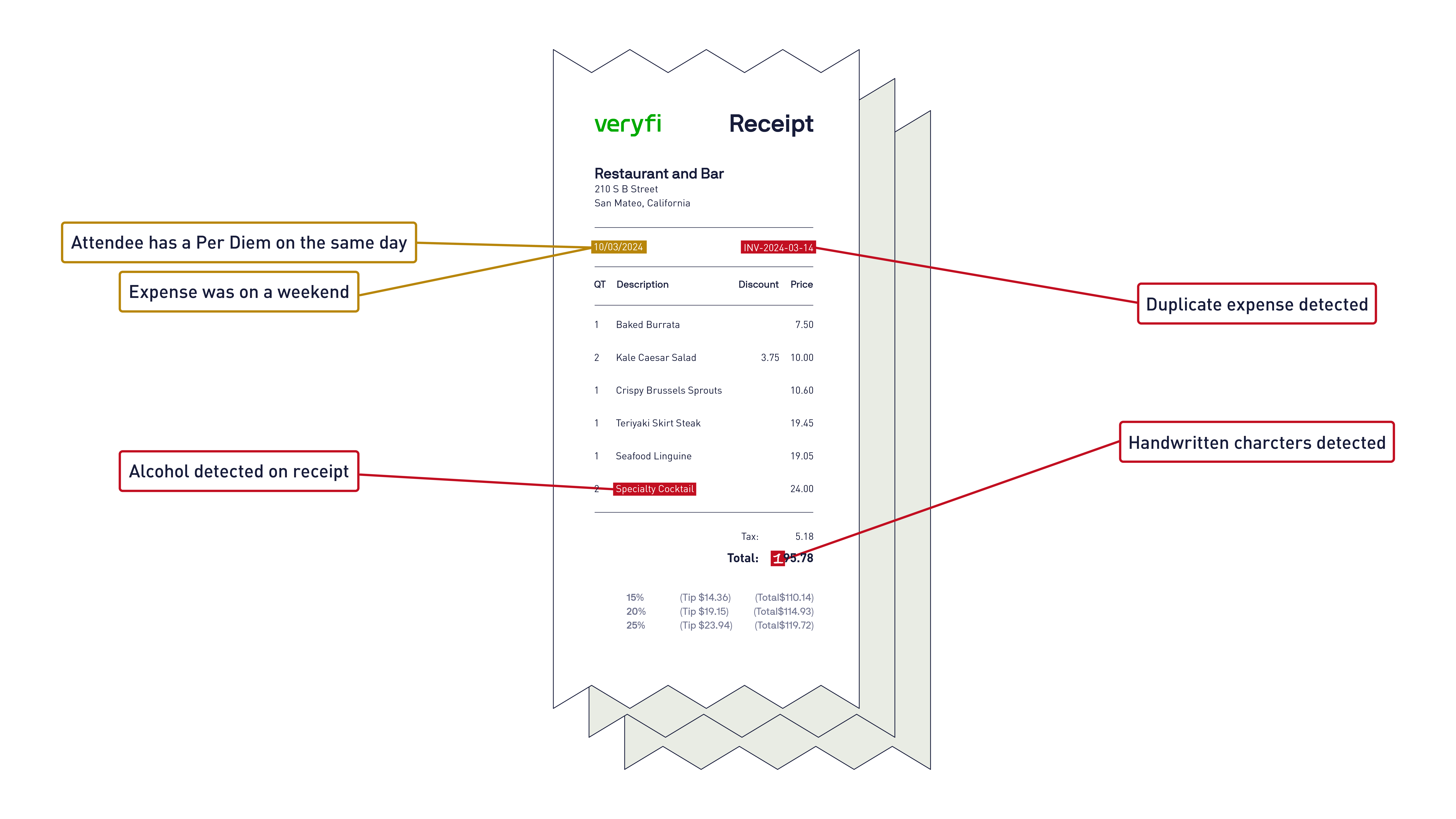
Veryfi's Fraud Prevention system uses advanced computer vision and machine learning to identify manipulated photos in real-time. For digital alterations, it employs error level analysis, noise detection, and deep learning to spot pixel irregularities and metadata anomalies. Physical manipulations are detected through adaptive thresholding and forensic analysis of handwriting and ink properties. The system cross-references findings against a database of known fraud patterns, enabling robust detection of both subtle and overt manipulations across various document types, countering sophisticated fraud attempts in real-time.
Veryfi's Fraud Prevention system uses advanced image processing and machine learning to identify manipulated handwriting in real-time. It analyzes stroke consistency, pressure variations, and ink properties through contour analysis and spectral techniques. The system employs Natural Language Processing to detect semantic inconsistencies. By comparing features against genuine samples and known fraud patterns, it can identify various handwriting manipulations, from simple additions to complex forgeries, ensuring real-time document integrity.
With the rise of AI-generated fraud, now is the best time to act and protect your business. Veryfi's API can sniff out those digitally concocted receipts faster than you can say "expense reimbursement." Whether it's a ChatGPT masterpiece, a Stable Diffusion creation, MidJourney magic, GAN trickery, or a DALL-E special - our AI detective is on it. Read More
Fraud Intelligence employs sophisticated algorithms to analyze image similarity and text content, enabling it to identify duplicate submissions of previously processed documents. This system not only detects current instances of fraud but also proactively mitigates future risks associated with each unique fraud case. The technology utilizes a meta.is_duplicate field to flag and track these duplicate entries. This approach ensures a comprehensive defense against both repeated and evolving fraud attempts, enhancing overall security and integrity in document processing.
Veryfi's Fraud Intelligence incorporates Document Velocity analysis to detect suspicious submission patterns in real-time. This feature monitors the frequency and volume of document submissions from individual devices across various timeframes. By employing statistical modeling and machine learning algorithms, the system identifies abnormal spikes or consistently high submission rates from specific sources. Such elevated velocity is a strong indicator of fraudulent activity, with nearly 100% correlation to fraud attempts. This proactive approach allows for immediate flagging of potentially fraudulent submissions, enabling swift intervention and significantly reducing the risk of large-scale fraud operations.
As printer use declines, a new form of digital manipulation is emerging. Fraudsters are using Photoshop to alter documents, then capturing images of these altered documents displayed on LCD screens. This method involves taking pictures of desktop monitors, tablets, or phone screens. However, there's no need for concern. Veryfi's Fraud Detection technology can analyze these photos to determine whether they originate from a digital display rather than a genuine physical document. This capability helps maintain document integrity in an increasingly digital world.
Veryfi's Fraud Intelligence utilizes Fraud History Analysis for enhanced real-time detection. It maintains a dynamic database of past fraudulent activities, cross-referencing incoming documents against this data using machine learning. The system identifies similarities to known fraud cases in content, structure, or metadata. This approach flags potential repeat offenders and recognizes evolving tactics based on historical trends, providing adaptive protection against both recurring and novel fraud attempts.
Catching a fake document is good. Catching a fake vendor is better. Veryfi cross-references data across every submission to expose hidden connections — same bank account on three "different" suppliers, an address that matches a previously blocked entity, or a phone number shared across suspicious vendors. By building a living graph of entities, Veryfi connects the dots that fraudsters hope you'll miss.
Every photo carries a hidden story. Veryfi's fraud engine analyzes EXIF and file metadata like camera make/model, GPS coordinates, timestamps, software signatures, and editing history to verify a document's origin before it ever reaches your workflow. A receipt claiming to be from a restaurant in Dallas but photographed in Lagos? Caught. An invoice PDF created in Photoshop instead of an accounting system? Flagged. These invisible digital fingerprints are often the first thing fraudsters forget to fake — and the first thing we check.
Contact sales@veryfi.com to learn how Veryfi can help you stop fraud and check document integrity in real-time.